Gunnersbury Park wedding florist guide and venue advice
Posted on 26/10/2026
Gunnersbury Park Wedding Florist Guide and Venue Advice
If you are planning a wedding at Gunnersbury Park, flowers can do far more than "look nice". They help define the mood, frame the ceremony, soften a large room, and make the whole day feel intentional. This Gunnersbury Park wedding florist guide and venue advice piece is here to help you think clearly about the venue, the florals, the timings, and the little details that save stress later on. Truth be told, the best wedding flower plans usually look effortless because someone has done the practical thinking upfront.
Gunnersbury Park is a lovely London setting, but like any venue, it has its own rhythm. Light changes through the day. Access can affect setup. Rooms may need different floral scales depending on guest numbers. And if you want the flowers to feel elegant rather than crowded or underwhelming, the design needs to suit the space, not fight it. Let's walk through what works, what to watch for, and how to make the whole thing feel calm rather than chaotic.
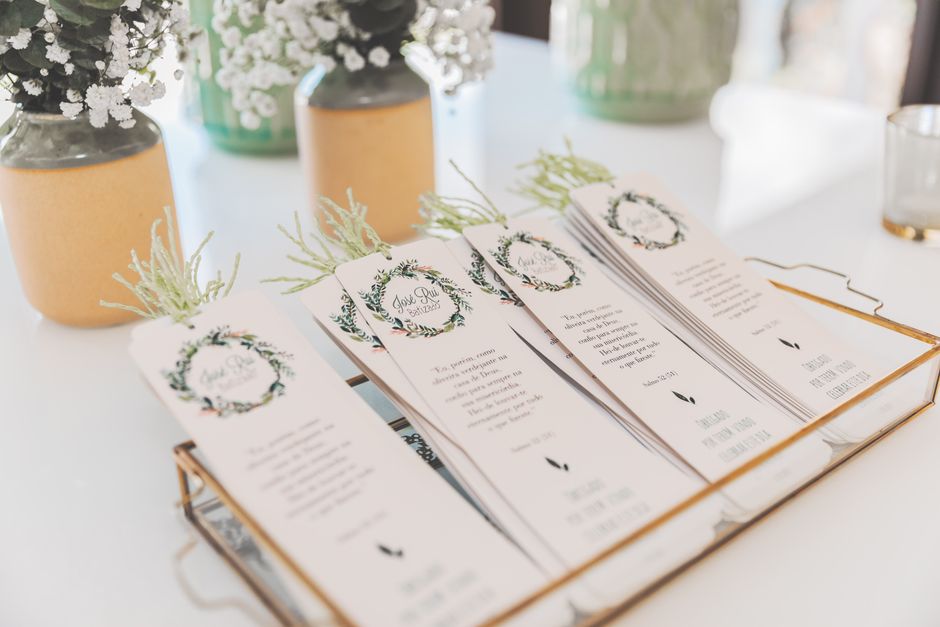
Why Gunnersbury Park wedding florist guide and venue advice Matters
A wedding florist is not just a supplier delivering bouquets. At a venue like Gunnersbury Park, floral decisions affect the whole guest experience. The ceremony table, aisle, registrar area, welcome sign, reception tables, and even the way your photos read can all depend on the right flowers in the right places. If the venue has strong architectural lines or generous rooms, you may need flowers that hold their own. If the space already feels ornate, you may want something more refined and restrained.
That is why venue advice matters alongside florist advice. A design that looks beautiful in a Pinterest board can feel completely different in a real room on a bright afternoon or under evening lighting. You want flowers that work with the space, the season, and the flow of the day. Not just "pretty flowers", but flowers that behave well in the room. Slightly less glamorous maybe, but much more useful.
Another reason this matters is timing. Wedding flowers are fresh, living materials. They can be sensitive to heat, travel, and delay. If you understand the venue setup properly, you can reduce the risk of wilted petals, rushed installation, or awkward last-minute rearranging while guests are arriving and someone is asking where the rings are. Not ideal.
If you are also planning flowers for other occasions nearby, it can help to work with a florist who knows the local delivery rhythm. Many couples start by looking at wedding flowers in Chiswick W4 because it keeps the style local, practical, and easier to coordinate.
How Gunnersbury Park wedding florist guide and venue advice Works
In simple terms, the process should be built around three things: the venue, the schedule, and the floral brief. First, you look at how Gunnersbury Park will be used on the day. Is the ceremony in a formal room, a more open space, or an area that needs softening? Will the flowers need to move from ceremony to reception? Do you want one strong installation or several smaller pieces that can be reused?
Then comes the brief. A good florist will ask about your dress, colours, guest count, table layout, and the feeling you want the room to give. Romantic and airy is one thing. Rich and dramatic is another. Minimal and modern is another again. The venue can handle some styles better than others, so the brief needs to be realistic. You can love a look and still decide it is wrong for the room. That is not a compromise; it is good planning.
Finally, the practical side: delivery, setup, storage, movement between spaces, and collection. A florist should understand whether they can deliver directly to the venue, how much time they have for installation, and whether any arrangements need to be built off-site and finished on arrival. For local wedding planning, this is often where people appreciate the reliability of a dedicated florist in Chiswick W4 rather than trying to piece together a design from multiple places.
Here is the basic flow you can expect:
- Share your wedding date, venue details, and style ideas.
- Discuss the spaces that need flowers and what each one is for.
- Choose focal items such as bouquets, ceremony pieces, and table flowers.
- Agree on colours, flower preferences, and any seasonal substitutions.
- Confirm delivery windows, setup access, and any venue restrictions.
- Finalise quantities and contingency plans close to the date.
Key Benefits and Practical Advantages
The best part of getting venue advice alongside florist planning is that it prevents wasted effort. You can avoid overspending on areas nobody sees, under-investing in key photo spots, and ordering flowers that are too small to matter once they sit inside a larger room. It sounds obvious, but people do it all the time. A gorgeous bouquet in a huge setting can look strangely lost. A modest table arrangement in a small, elegant room can look perfect.
There is also a cost benefit. When the florist understands the venue properly, they can suggest where to focus spending. For example, you might use one statement arrangement at the ceremony and simpler table flowers at the reception. Or reuse aisle flowers as top-table decor. Those choices keep the event cohesive without doubling the spend in a silly way.
Other practical advantages include:
- Better flower sizing for the room and guest count.
- Less waste from over-ordering or duplicate arrangements.
- Cleaner setup on the day, with less stress for the couple.
- More consistent colours across bouquets, buttonholes, and table pieces.
- Improved photo results, especially in wide venue shots.
And, honestly, peace of mind matters. Wedding mornings are busy enough without someone asking whether the centrepieces fit the tables or whether the bouquet will survive the journey in the car. A good florist plan should feel boring in the best possible way: dependable, calm, sorted.
Who This Is For and When It Makes Sense
This guide is useful if you are getting married at Gunnersbury Park and want your flowers to feel considered rather than generic. It is especially helpful if you are:
- planning from outside the local area and need venue-specific guidance;
- trying to balance style and budget without losing impact;
- wondering whether to reuse ceremony flowers for the reception;
- unsure how many arrangements you actually need;
- working with a fairly tight setup window on the day;
- looking for something elegant, classic, or seasonal rather than overdone.
It also makes sense if you care about colour harmony. Venue spaces can change the way flowers look. Warm light can make whites feel creamier. Large rooms can make pale florals feel softer. Greenery, glass, candlelight, and table linen all play a part. So if you are choosing between very similar options, venue context can be the deciding factor.
Some couples are highly visual and know exactly what they want. Others just know what they do not want. Both approaches are fine. To be fair, half the job is translating a feeling into actual stems, ribbons, and table pieces that work on the day. That is where a thoughtful florist becomes genuinely useful.
Step-by-Step Guidance
If you want a smooth result, work through the plan in order. Rushing to choose flowers before you understand the room is how people end up with expensive arrangements that do not quite fit. Not a disaster, but not ideal either.
- Start with the venue layout. Ask how the ceremony and reception spaces will be used, where guests will sit, and where the main sightlines are.
- Decide the floral priorities. A bouquet, buttonholes, ceremony flowers, and table arrangements may all matter, but not equally. Put the strongest impact where guests will notice first.
- Choose a style direction. Think in simple terms: romantic, classic, modern, seasonal, minimal, or abundant. You do not need ten adjectives. Really, you do not.
- Select flowers that suit the venue and season. A florist can usually suggest sensible substitutions if your first choice is not ideal or not available.
- Confirm dimensions and quantities. This is where practical advice helps most. Table size, aisle width, and display height all change what "enough flowers" looks like.
- Agree on delivery and setup. Make sure someone knows when access is available, where items will be placed, and who will sign off on the installation.
- Plan the transition from ceremony to reception. If flowers are being moved, ask exactly who handles that and when.
- Check final details close to the date. Guest numbers, table plans, and timings can shift. Small changes can affect flower quantities more than people expect.
A useful extra step is to ask for one or two "anchor pieces" in the design. That might be the bridal bouquet, a top-table arrangement, or a focal ceremony installation. Once those are set, the rest of the design tends to fall into place more naturally.
Expert Tips for Better Results
First tip: match the scale of the flowers to the scale of the room. This is the one thing people most often underestimate. If a venue has higher ceilings or generous floor space, tiny arrangements can disappear. On the other hand, if the room is intimate, oversized pieces can crowd it quickly. The right scale feels calm, not forced.
Second tip: choose a palette that works in photos as well as in real life. Soft whites, blush, greens, and muted pastels are often forgiving, but bold colour can be beautiful too. The trick is consistency. If you are using strong pinks, deep reds, or mixed tones, carry that choice through the bouquets, buttonholes, and table flowers so it feels deliberate.
Third tip: think about movement. Wedding guests will walk in, stand, sit, toast, and photograph. Low arrangements usually work well for dining because they keep faces visible across the table. Taller pieces can be beautiful too, but they need to be used thoughtfully. No one enjoys leaning sideways just to speak to the person opposite.
Fourth tip: ask your florist what can be reused. Ceremony florals can often be repurposed for the reception, which is a simple way to stretch the budget and keep the look cohesive. It also reduces waste, which many couples care about. If sustainability matters to you, you might also want to look at a florist's approach to sustainability and how they handle materials, wrapping, and seasonal sourcing.
Fifth tip: keep your bouquet practical. It should feel beautiful in your hand, yes, but also manageable for the whole day. If it is too heavy, too loose, or too large, you will notice. Especially during the photo rush when somebody says "just one more on the steps" and suddenly everyone is waiting in bright daylight for the best angle.
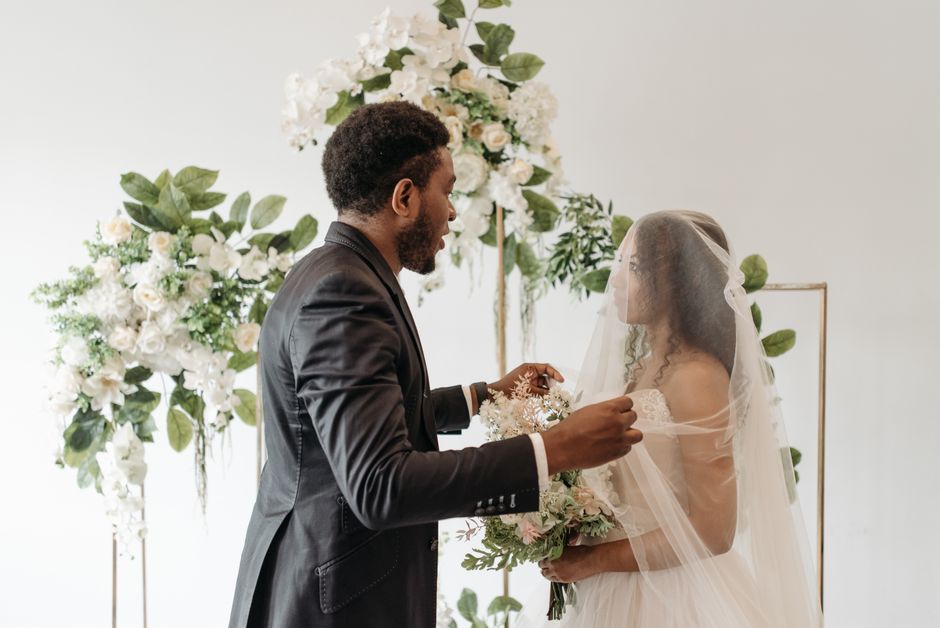
Common Mistakes to Avoid
The most common mistake is designing flowers in isolation from the venue. A bouquet can be stunning and still not suit the scale or style of the setting. Always bring the venue into the conversation early.
Another frequent problem is ordering too many different flower types. Variety is lovely, but too many competing textures and colours can make the design feel busy rather than elegant. A few well-chosen blooms often create a stronger look than a dozen unrelated ones.
Watch out for these pitfalls too:
- Underestimating setup time and leaving no room for access delays.
- Not measuring tables properly before finalising centrepieces.
- Choosing flowers purely from mood boards without checking seasonality.
- Forgetting transport details for bouquets and buttonholes.
- Assuming every arrangement can be reused without checking practical handling.
- Ignoring the venue's own rules about candles, fixing methods, or installation points.
There is also a subtle mistake that is easy to miss: overcommitting to trends. Trend-led florals can look lovely in the moment, but your wedding day is not a social media grid. Pick elements that suit you and the venue. If a style is fashionable but awkward in the room, it is probably not the right choice.
Tools, Resources and Recommendations
You do not need a huge toolkit to plan wedding flowers well, but a few simple resources make the process much easier. A room plan, a few venue photos, a guest list estimate, and your table layout are already enough to start a proper conversation with a florist.
Useful things to gather before speaking to a florist:
- Venue photos from different angles if you have them.
- The ceremony and reception schedule.
- Table plan and table sizes.
- Colour swatches for dress, suit, linen, or stationery.
- A shortlist of flowers or colours you like.
- Any must-have notes, such as fragrance sensitivity or pollen concerns.
If you are comparing styles, it helps to browse wedding-specific ranges rather than general occasion flowers. For example, a focused page like wedding flowers collection gives a better sense of what is suitable for bridal bouquets, table arrangements, and buttonholes than a generic mixed shop page. You may also find it useful to compare finished pieces such as bridal bouquets, buttonholes, and table arrangements so the whole design feels joined up rather than pieced together at the last minute.
For day-to-day practicality, delivery information matters too. If your wedding is running on a tight schedule, review the florist's delivery approach and any stated service expectations. Small details matter here. They really do.
Law, Compliance, Standards, or Best Practice
Most wedding flower planning is not heavily regulated, but there are still sensible standards and practical best practices to follow. The venue may have its own rules on access, load-in times, fire safety, candles, open flames, and where floral items may be installed. Those rules are there for a reason, so do check them early.
If you are using candles near flowers, placement should be thought through carefully. Fresh flowers, ribbons, and delicate foliage should not be placed where heat, flame, or wax is likely to cause a problem. It sounds obvious, but wedding days can be a blur and practical details get missed. Venues tend to care about this quite a lot, understandably.
For florists, good practice also includes clear order confirmations, sensible substitution policies, and straightforward communication about seasonal availability. If a bloom is unavailable, a trustworthy florist should explain what will replace it and whether that changes the overall look. That kind of transparency is part of good service.
There is also a basic ethical angle. Many couples now care about flower waste, packaging, and reusable materials. You do not have to make every choice perfectly sustainable, but asking about seasonal stems and how arrangements are disposed of is completely reasonable. A small question at the start can prevent a lot of awkwardness later.
And if you need to review shop terms, refunds, or payment expectations before booking, it is worth checking pages such as terms and conditions, payment, and returns and refund so everyone knows where they stand.
Options, Methods, or Comparison Table
Different wedding flower approaches suit different couples and budgets. The right choice depends on how much impact you want, how many spaces need styling, and how much reusability matters.
| Option | Best for | Strengths | Watch-outs |
|---|---|---|---|
| Statement ceremony pieces | Couples wanting one big visual moment | High impact, great for photos, strong venue presence | Can be costly if not reused after the ceremony |
| Reusable ceremony-to-reception florals | Practical planners who want value | Makes better use of budget, keeps styling consistent | Needs clear timing and handling on the day |
| Table-led floral design | Reception-focused weddings | Beautiful guest experience, easy to tailor per table | May feel lighter in ceremony photos unless paired with focal pieces |
| Minimal bouquet-and-buttonhole approach | Smaller or simpler weddings | Clean, elegant, budget-conscious | Needs the venue itself to carry more of the visual weight |
If you are unsure which route to take, think about the moments that matter most to you. Is it the walk down the aisle, the seated meal, or the first few photos after the ceremony? Put the flowers where those moments live. Simple as that.
Case Study or Real-World Example
Here is a realistic example from the sort of planning couples often go through. A pair booking a wedding at Gunnersbury Park wanted something soft, classic, and not too formal. They started with white and blush inspiration, then realised the reception room needed a bit more definition because the tables were spread across a fairly open space. If they had gone with only tiny centrepieces, the room might have felt a bit underdressed.
So the plan shifted. The ceremony used fuller focal arrangements to frame the front of the room and give the registrars' area a stronger visual anchor. The bouquets stayed elegant but slightly more textured so they read well in photographs. Table flowers were kept low and clean so people could speak across the tables easily. A few pieces were designed to move from ceremony to reception, which saved effort and kept the styling consistent.
The key lesson was not that one flower type or colour was better than another. It was that the venue changed the design decisions. Once the couple looked at the actual spaces, their choices became clearer and, honestly, calmer. That is what good venue advice does. It removes guesswork.
There was also a small practical win: because the florist knew the set-up sequence, the team could place the main arrangements before guests arrived and avoid the awkwardness of last-minute moving around. Nobody had to hover with a clipboard while everyone else was trying to enjoy a glass of fizz. A tiny thing, perhaps, but on a wedding day tiny things matter.
Practical Checklist
Use this checklist before you confirm your floral plan.
- Have you shared the exact venue name and rooms being used?
- Do you know the ceremony and reception timings?
- Have you measured or confirmed table sizes?
- Have you chosen your main colour palette?
- Do you know which flowers are essential and which can be substituted?
- Have you decided whether ceremony flowers will be reused?
- Have you checked venue access, parking, and setup windows?
- Do you know who will receive the delivery on the day?
- Have you discussed buttonholes, bouquets, and any extra items such as corsages or table arrangements?
- Have you confirmed the final order details and payment terms?
Expert summary: If you get the venue details, the timing, and the floral priorities right, everything else becomes much easier. The best wedding flower plans are rarely the loudest ones. They are the ones that fit the room, support the day, and quietly make the whole thing feel special.
Conclusion
Gunnersbury Park gives you a beautiful setting, but the flowers are what help turn a venue into your wedding day. The right florist advice is not about adding more and more. It is about choosing the right scale, the right placements, and the right details for the space you actually have. Once you think that way, the rest starts to make sense.
If you are still refining your plans, focus on three things: what the venue needs, what the photos need, and what will feel good for guests from the moment they arrive. Do that, and your flowers will feel considered rather than complicated. Which, let's be honest, is exactly what most couples are hoping for.
Get a free quote today and see how much you can save.
And if you want the day to feel calm, elegant, and properly yours, trust the details. They are usually where the beauty lives.
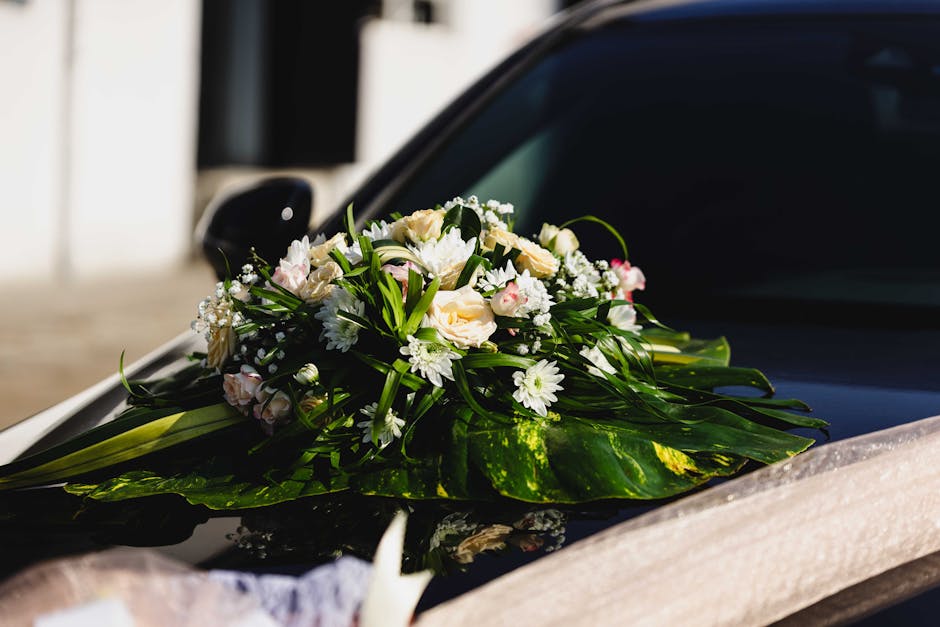
Frequently Asked Questions
What flowers work best for a wedding at Gunnersbury Park?
The best flowers are the ones that suit the room size, season, and colour palette you have chosen. Classic options like roses, lisianthus, orchids, hydrangeas, and mixed seasonal stems often work well because they can be styled in both soft and structured ways.
How far in advance should I book a wedding florist for Gunnersbury Park?
It is sensible to book as early as you can once the date and venue are confirmed. Popular wedding dates fill quickly, and early booking gives you more time to refine the design, check quantities, and avoid last-minute stress.
Can ceremony flowers be reused for the reception?
Yes, often they can. This is one of the most practical ways to stretch a floral budget. The key is to plan the transfer in advance so someone knows what moves where, and when. Without that, it gets messy very quickly.
How do I choose a florist style that suits the venue?
Start with the space itself. If the venue feels formal, elegant and balanced designs usually work well. If it is more open or minimal, you may need larger focal arrangements. Share venue photos with your florist so they can judge the scale properly.
What should I ask a florist before booking for Gunnersbury Park?
Ask about delivery times, setup access, substitution policies, seasonal flower availability, and whether they can work with your venue's restrictions. It also helps to ask what happens if the guest count or table plan changes.
Are low centrepieces better than tall centrepieces?
Neither is automatically better. Low centrepieces are usually easier for dining because they keep sightlines open. Taller designs can look dramatic and elegant, but they need to be carefully placed so they do not overwhelm the room or block conversation.
How much of the wedding flower budget should go on bouquets?
That depends on your priorities. If bouquets are important in photos and personal meaning, it makes sense to invest there. But for many weddings, the ceremony and reception focal pieces have more overall visual impact, so it is worth balancing the spend.
What if my favourite flowers are out of season?
A good florist should suggest realistic alternatives that keep the look and feel you want. Seasonal substitutions often result in better value and better quality anyway. The exact flower may change, but the overall style can still be very close.
Do I need buttonholes and corsages as well as bouquets?
Not always, but many couples include them because they help the wedding party look coordinated. Buttonholes are especially common for the groom and close family members, while corsages are often used for key guests or family roles.
What if the venue has limited setup time?
Then the floral plan needs to be simple and efficient. Fewer, better-chosen arrangements often work better than lots of small items. A florist with venue experience can suggest designs that install quickly without losing impact.
How do I keep wedding flowers looking fresh through the day?
Good hydration, sensible transport, and timely setup all help. Keep arrangements away from heat where possible, and make sure the florist knows the venue timing in detail. The fresher the setup window, the better the results usually are.
Is it worth choosing a local florist for a Gunnersbury Park wedding?
Usually, yes. A local florist is often more familiar with delivery timing, access patterns, and the practical realities of working in the area. That local knowledge can save time, reduce stress, and make the floral plan feel much smoother.